
Key Changes for Sustainable, Resilient Construction in Canada | Gobind Trades
Understanding LEED v5 and Why It Matters in Canada
LEED v5 represents the most significant evolution of the Leadership in Energy and Environmental Design (LEED) rating system in more than a decade. Released in 2025 by the U.S. Green Building Council (USGBC), LEED v5 responds directly to the urgency of climate change, decarbonization targets, and the growing need for resilient, people-centered buildings.
For Canada, particularly Western Canada, these updates are especially relevant. Harsh climates, long building lifecycles, and increasing regulatory pressure mean projects must now consider not just energy efficiency, but whole-life carbon, climate resilience, and occupant well-being from the earliest stages of construction.
LEED v5 shifts certification from a checklist-based approach toward measurable outcomes, transparency, and long-term performance, making early planning, skilled trade execution, and collaboration more critical than ever. This is where experienced trade partners like Gobind Trades play a key role in execution.
LEED v5’s Core Focus Areas
At the heart of LEED v5 are three primary impact areas:
- Decarbonization
- Quality of Life
- Ecological Conservation and Restoration
These pillars guide all prerequisites and credits, ensuring that projects reduce emissions, support occupant health, and minimize environmental impact across the entire building lifecycle, from design and construction to operation and reporting.
New Prerequisites That Redefine Project Planning
LEED v5 introduces mandatory prerequisites that significantly change how projects are planned and delivered.
Carbon Assessment
All projects must now complete a baseline whole-life carbon assessment, including embodied and operational carbon. This establishes clear reduction pathways and requires teams to quantify emissions early, well before materials are ordered or installed.
Climate Resilience Assessment
Projects must evaluate climate-related risks such as extreme cold, heat waves, flooding, and infrastructure stress. In Canadian contexts, this often includes freeze-thaw cycles, snow loads, and energy reliability during winter conditions, factors that directly affect foundation work and building envelopes.
Human Impact Assessment
Beyond energy and materials, LEED v5 requires teams to assess occupant health, indoor comfort, and community outcomes, ensuring buildings contribute positively to people, not just performance metrics.
Materials and Resources. Embodied Carbon Takes Center Stage
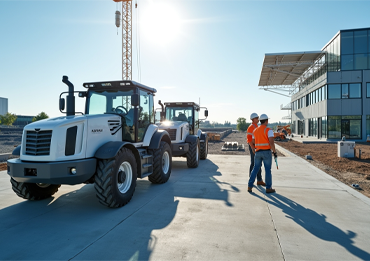
One of the most impactful changes in LEED v5 is the formal introduction of embodied carbon quantification as a prerequisite.
Projects must now measure the global warming potential of materials used in structures, envelopes, and hardscapes. This includes emissions from raw material extraction, manufacturing, and transportation.
New credits reward:
- Material substitution to lower-carbon alternatives
- Design efficiency that reduces material volume
- Use of salvaged, refurbished, or reused materials
For trade partners, this increases the importance of material selection, documentation, and installation accuracy. Skilled framing, siding, and concrete/foundation crews play a direct role in meeting LEED v5 targets by minimizing waste and executing carbon-efficient designs correctly.
Energy and Atmosphere, Electrification and Renewables
LEED v5 strengthens requirements around energy systems and operational carbon.
Key changes include:
- A new electrification credit that rewards eliminating on-site combustion
- Enhanced commissioning aligned with updated ASHRAE standards
- Platinum-level projects must operate on 100% renewable energy, excluding emergency systems
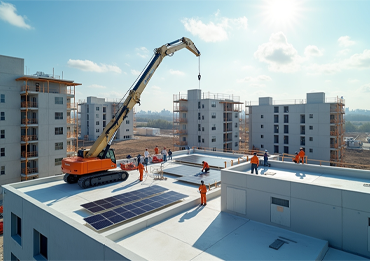
In Canada, where heating demand is significant, these changes encourage heat pumps, efficient envelopes, and advanced electrical systems, requiring close coordination between electrical, interior, and exterior trades.
Location, Transportation, and Water Efficiency
LEED v5 streamlines site-related credits while increasing equity and performance expectations.
Notable updates include:
- New electric vehicle infrastructure credits
- Greater emphasis on transit access and compact development
- A comprehensive water efficiency credit that includes metering and leak detection
For Canadian projects, water management and transportation planning are increasingly tied to municipal sustainability goals and long-term operating costs, influencing both exterior construction and site servicing scopes.
Why LEED v5 Makes Business Sense
Beyond environmental benefits, LEED-certified buildings consistently deliver strong financial returns. Studies show they achieve:
- Higher asset value and rental rates
- Lower operating and maintenance costs
- Improved occupant health and productivity
- Stronger alignment with investor and regulatory expectations
LEED v5 strengthens this value by making performance measurable, reportable, and verifiable, supporting long-term resilience and market competitiveness.
The Importance of Early Collaboration and Skilled Trades
LEED v5 reinforces a reality the construction industry already knows: successful sustainable projects start early and rely on collaboration.
Early integration of contractors, consultants, and trade partners allows teams to:
- Identify carbon reduction opportunities sooner
- Optimize sequencing and material choices
- Avoid costly redesigns or compliance issues
Gobind Trades supports LEED-aligned projects by supplying experienced, safety-certified trade professionals who understand sustainable construction practices and deliver high-quality work across framing, siding, electrical, and foundation scopes.
Frequently Asked Questions (FAQ)
Is LEED v5 mandatory in Canada?
What is the biggest change in LEED v5?
Does LEED v5 increase construction costs?
When does LEED v5 take effect?
Conclusion
LEED v5 marks a major shift in how sustainable buildings are planned, built, and evaluated. By prioritizing decarbonization, resilience, and human experience, it sets a new standard for construction in Canada’s evolving climate and regulatory landscape.
Projects that embrace these changes early will be better positioned for long-term performance, compliance, and value.
Build LEED-Ready Projects with Gobind Trades
Gobind Trades supports sustainable and LEED-aligned construction projects across Western Canada by providing skilled, safety-certified trade professionals who understand modern building standards and execution excellence.
Partner with Gobind Trades to deliver resilient, future-ready construction with confidence.
📞 Contact Us | 📩 Book a Trade | 🌐 www.gobindtrades.com
Need a Hand? Book a Trade.