
Underground Parking Structures: Design, Safety, and Construction
Introduction: Understanding the Engineering Beneath Our Cities
Underground parking structures are an essential yet often overlooked component of modern urban infrastructure. As cities grow denser and available land becomes increasingly limited, subterranean parking garages provide a practical solution for accommodating vehicles without sacrificing valuable surface space. While these structures may appear simple from the user’s perspective, their design and construction involve complex engineering systems working together beneath the surface.
From managing soil conditions and groundwater levels to ensuring fire safety, structural integrity, and long-term durability, underground parking structures demand precise planning and execution. Structural engineers must balance heavy loads, environmental pressures, safety regulations, and sustainability considerations to create facilities that perform reliably for decades.
This blog explores everything you need to know about underground parking structures, from how they are built and the challenges involved, to safety measures, cracking issues, and environmental impact, offering a comprehensive look at the engineering that makes these hidden spaces possible.
How Are Underground Parking Structures Built?
The construction of underground parking structures begins long before excavation starts. Thorough planning and site assessment are critical to understanding the conditions below ground and determining the most suitable construction approach.
Engineers first evaluate soil mechanics, groundwater levels, and surrounding structures to identify risks such as unstable soil or a high water table. These factors directly influence excavation methods, foundation systems, and waterproofing strategies. In dense urban areas, special care is taken to protect nearby buildings, utilities, and roadways.
Once excavation begins, shoring walls or slurry walls are installed to support surrounding soil and prevent collapse. Dewatering systems may be required to manage groundwater during construction.
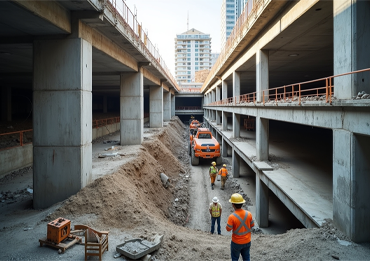
After excavation, reinforced concrete foundations are poured to withstand earth pressure and structural loads from both vehicles and any buildings above. Mechanical systems are then integrated into the structure. Ventilation systems maintain air quality, while drainage systems manage water infiltration. Waterproofing membranes protect the structure from moisture intrusion, ensuring durability and long-term performance.
Why Underground Parking Is Critical in Urban Planning ?
In dense urban environments, underground parking garages play a vital role in efficient land use and city design. By moving parking below ground, developers can preserve valuable surface space for buildings, green areas, and pedestrian-friendly environments.
One of the primary advantages is space optimization. Underground structures maximize parking capacity without expanding a project’s footprint. This is especially important in city centers where land availability is limited and expensive.
Aesthetic preservation is another key benefit. Removing surface parking lots helps maintain cleaner urban landscapes and improves overall visual appeal. Environmentally, underground parking reduces the need for sprawling asphalt lots, helping preserve green spaces, improve air quality, and mitigate the urban heat island effect.
Additionally, underground garages offer enhanced security and weather protection. Vehicles are shielded from extreme weather conditions, while controlled access and surveillance systems improve safety for both vehicles and users.
What Are the Biggest Challenges in Building Underground Parking?
Despite their benefits, underground parking structures present several engineering and construction challenges that require specialized expertise.
One of the most significant challenges is managing soil and groundwater. Unstable soil or a high water table can complicate excavation and increase construction costs. Engineers often rely on dewatering systems, slurry walls, and advanced waterproofing solutions to address these conditions.
Load transfer is another critical concern. Underground parking structures frequently support buildings, roads, or public spaces above them. Structural engineers must carefully calculate structural loads and ensure that weight is safely transferred to the ground without compromising stability.
Accessibility and safety also require careful design. Ramps, entry points, and circulation paths must comply with building codes while optimizing space efficiency. Fire safety, ventilation, and emergency access must all be integrated seamlessly into the structure.
How Do Engineers Ensure Safety in Underground Parking Structures?
Safety is a top priority in underground parking design. Structural safety begins with reinforced concrete systems engineered to withstand earth pressure, vehicle loads, and seismic forces where applicable.
Fire safety systems are essential in enclosed underground environments. Fire-resistant materials, sprinkler systems, and smoke control ventilation help contain and manage fire risks. Clearly marked fire exits and emergency communication systems ensure user safety during emergencies.
Water protection is another critical safety component. Proper drainage systems and waterproofing membranes prevent flooding and water damage, reducing the risk of structural deterioration over time.
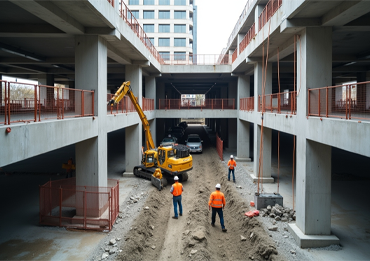
Ongoing inspections and maintenance programs are equally important. Regular assessments help identify early signs of wear, cracking, or water infiltration, allowing issues to be addressed before they become serious structural concerns.
Why Do Underground Parking Structures Crack Over Time?
Cracking in underground parking structures is a common concern and can result from several factors. Natural settlement of soil, thermal expansion and contraction, concrete curing processes, and waterproofing failures can all contribute to cracking.
Minor cracks are often cosmetic and do not pose immediate structural risks. However, larger cracks may indicate issues such as structural shifting or water infiltration, which require prompt attention.
Engineers use various repair and mitigation techniques depending on severity. Epoxy injection can seal cracks and restore structural continuity, while structural reinforcement may be required for more serious issues. Improving drainage and waterproofing systems also helps prevent recurring damage.
Are Underground Parking Structures Environmentally Friendly?
While underground parking structures require significant resources during construction, they can offer meaningful environmental benefits over their lifecycle.
By reducing the need for surface parking, these structures help preserve green spaces and support more sustainable urban development. Many modern underground garages incorporate sustainable design features such as energy-efficient lighting, smart ventilation controls, and rainwater harvesting systems.
Using durable materials and designing for long-term performance also reduces the environmental impact associated with frequent repairs or reconstruction. When properly planned, underground parking structures contribute to reduced land use, improved urban aesthetics, and more efficient city layouts.
Frequently Asked Questions (FAQ)
What makes underground parking more complex than above-ground parking?
How is air quality maintained in underground garages?
Are underground parking structures safe during earthquakes?
Can underground parking support buildings above?
How long do underground parking structures last?
Conclusion: The Engineering Achievement Beneath Our Feet
Underground parking structures may remain out of sight, but they play a crucial role in modern cities. From complex excavation and foundation systems to advanced safety, drainage, and ventilation solutions, these structures represent a remarkable feat of structural engineering and urban planning.
As cities continue to densify and sustainability becomes a priority, underground parking will remain an essential solution for efficient land use and long-term infrastructure resilience.
Build Smarter Underground with Gobind Trades
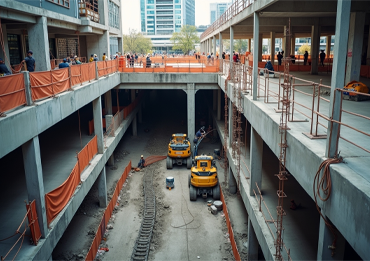
Successful underground parking construction depends on skilled execution across concrete, structural, mechanical, and finishing trades. At Gobind Trades, we provide safety-certified, experienced trade crews who help contractors deliver complex underground projects efficiently and reliably across Western Canada.
📞 Contact Us | 📩 Book a Trade | 🌐 www.gobindtrades.com
Need a Hand? Book a Trade.